
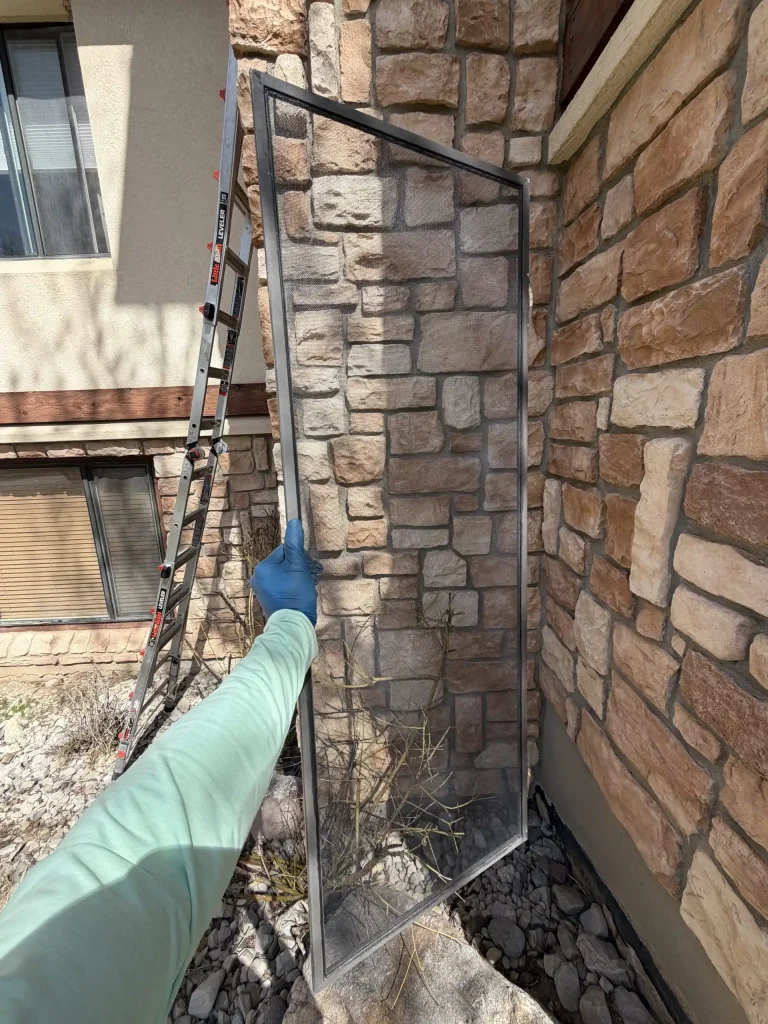
If you live in South Jordan or anywhere along the Wasatch Front, you have probably noticed white, hazy spots on your windows. These stubborn marks are frustrating. However, not every spot means permanent damage. Understanding the difference between hard water spots and actual glass damage can save you time, money, and stress.
Water spot removal is a common concern for Utah homeowners. Our water is notoriously mineral-rich, and that leaves behind calcium and magnesium deposits on glass surfaces. The good news is that most spots can be treated. The key is knowing what you are dealing with before it gets worse.
This guide will help South Jordan homeowners identify, treat, and prevent window damage. Whether your windows look cloudy after the sprinklers run or after a long winter, we have practical answers for you.
What Causes Hard Water Spots on Glass?
Utah’s water supply is naturally high in dissolved minerals. When water evaporates on your glass, it leaves those minerals behind. Over time, they build up into white or hazy deposits that resist regular cleaning.
Hard water spots are incredibly common across Salt Lake County. Homeowners in Sandy, Draper, and South Jordan frequently deal with this issue. Sprinkler overspray, rain, and even humid air can all leave deposits on exterior glass.
The Most Common Sources of Hard Water Deposits
- Irrigation sprinklers that hit windows during watering cycles
- Rainwater runoff from roof overhangs and gutters
- Construction dust and water from nearby projects
- Window washing with untreated tap water
- Seasonal weather changes that cause condensation buildup
Because of this, even recently cleaned windows can develop spots quickly. Utah’s dry climate accelerates evaporation, which speeds up mineral deposit formation on glass surfaces.
Hard Water Spots vs. Permanent Glass Damage: Know the Difference
This is where many homeowners get confused. Hard water spots sit on the surface of the glass. Permanent glass damage, on the other hand, is etched into the glass itself. Both can look similar at first glance.
However, there are clear differences between the two. Surface deposits feel slightly rough but can often be removed with the right products and technique. Etched glass feels smooth but has a permanent haze or pit that does not buff out.
Signs You Are Dealing with Hard Water Spots
- White or cloudy film that appears after rain or sprinkler use
- Spots that feel slightly gritty or rough to the touch
- Haze that shifts or changes slightly when you look at it from different angles
- Deposits concentrated in specific areas, like near sprinkler heads
Signs of Permanent Glass Etching
- Haze that remains even after thorough professional cleaning
- Smooth surface texture with a dull or frosted appearance
- Damage that does not respond to acid-based or abrasive cleaning treatments
- Pitting or micro-scratches visible in direct sunlight
Furthermore, hard water deposits that are left untreated for extended periods can eventually cause etching. The longer minerals sit on glass, the more likely they are to cause chemical reactions that damage the surface permanently. Therefore, early treatment matters.
Can Hard Water Spots Be Removed?
In most cases, yes. Fresh or moderately built-up hard water deposits respond well to professional cleaning. Wasatch Windows uses specialized tools and eco-friendly products designed specifically for water spot removal on residential and commercial glass.
DIY options do exist, but they come with risks. Using the wrong product or technique can scratch glass or strip protective coatings. Additionally, many store-bought cleaners are not strong enough to tackle mineral buildup from Utah’s hard water.
Professional Water Spot Removal vs. DIY
Professional window cleaning technicians use pH-balanced treatments, fine-grade polishing compounds, and industry-grade equipment. These tools safely break down mineral deposits without scratching the glass. As a result, you get streak-free, clear windows without the risk of making things worse.
DIY methods, meanwhile, often involve vinegar, baking soda, or retail glass cleaners. These can work on very light deposits. However, they rarely address heavy or long-standing buildup effectively. Moreover, abrasive scrubbing can create fine scratches that dull the glass over time.
If you are unsure what type of damage you are dealing with, the safest step is to call a professional. Contact Wasatch Windows to request a free quote and get an expert assessment of your windows.
How Utah’s Climate Makes This Problem Worse
South Jordan and the broader Salt Lake City area experience intense sun, dry summers, and cold winters. This combination creates ideal conditions for hard water deposits to form and worsen quickly.
Utah’s high elevation means more UV exposure. Additionally, the region’s low humidity causes water to evaporate faster, leaving mineral residue behind before it can run off naturally. In spring and summer, irrigation systems run frequently, which increases the chances of sprinkler overspray hitting your windows.
Seasonal Patterns to Watch For
Spring and early summer bring the most sprinkler-related spotting. Fall and winter bring condensation issues, especially on north-facing windows. Moreover, winter road salt and grime can also contribute to deposit buildup on lower-story glass near driveways and streets.
Homeowners in communities like West Jordan, Herriman, and Riverton face similar challenges. Because of Utah’s geography and water supply, hard water is a regional reality for the entire Wasatch Front.
When to Call a Professional Window Cleaner
Some situations call for professional expertise. First, if your windows have significant buildup that regular cleaning has not resolved, it is time to call in a pro. Next, if you notice your glass looking permanently hazy, a professional can assess whether etching has occurred.
Additionally, if you have recently moved into a home and the windows are heavily spotted, professional cleaning can restore them to near-original clarity in many cases. Wasatch Windows serves homeowners throughout South Jordan, Sandy, and the greater Salt Lake City area with reliable, detail-focused service.
Call us at 801-834-7407 to schedule service and get your windows looking their best again.
Preventing Hard Water Spots on Your Windows
Prevention is always easier than treatment. A few simple habits can significantly reduce hard water buildup on your home’s windows.
- Adjust sprinkler heads so they do not spray directly onto glass surfaces
- Schedule regular professional window cleaning to remove deposits before they set
- Rinse windows with filtered or purified water after rain or irrigation
- Apply a glass sealant after professional cleaning for added protection
- Inspect windows seasonally for early signs of mineral buildup
Furthermore, window tinting can also play a role in protecting your glass. Professionally installed window film adds a protective layer that makes glass easier to clean and more resistant to environmental buildup.
How Window Tinting Protects Your Glass
Many South Jordan homeowners do not realize that window tinting offers more than privacy and glare reduction. Professional window film creates a barrier between your glass and the elements. This makes surfaces easier to clean and less prone to mineral adhesion over time.
Additionally, window tinting reduces the amount of UV light and solar heat entering your home. This improves comfort, lowers energy costs, and protects interior furnishings from fading. Wasatch Windows offers professional residential and commercial window tinting throughout Salt Lake County and surrounding Utah communities.
Talk with a local Salt Lake City window cleaning and tinting expert today. Call 801-834-7407 or email us at wasatchwindows25@gmail.com to learn more about our services.
Frequently Asked Questions
Can hard water spots permanently damage my windows?
Yes, they can — but only if left untreated for a long time. Fresh deposits are usually removable. However, minerals that sit on glass for months or years can chemically etch the surface and cause permanent damage.
How often should South Jordan homeowners have their windows professionally cleaned?
Most residential customers benefit from professional cleaning two to four times per year. However, homes near active irrigation systems or dusty construction zones may need more frequent service. A Wasatch Windows technician can recommend the right schedule for your property.
Is DIY hard water spot removal safe?
It can be, for light deposits. However, using the wrong product or applying too much pressure can scratch glass or damage coatings. For heavy buildup or older stains, professional water spot removal is the safer and more effective option.
Does window tinting help prevent water spots?
Window film creates a protective surface layer that can reduce mineral adhesion and make cleaning easier. It is not a complete barrier, but it does help. Additionally, window tinting provides UV protection, glare reduction, and energy efficiency benefits.
What areas does Wasatch Windows serve?
Wasatch Windows serves South Jordan, Salt Lake City, Sandy, West Jordan, and communities throughout Salt Lake County, Utah County, Weber County, and Summit County. Contact us to confirm service availability in your area.
Trust Wasatch Windows for Expert Water Spot Removal in South Jordan
Hard water spots are one of the most common window problems for Utah homeowners. The good news is that most spots are treatable with the right professional approach. The sooner you act, the better your chances of restoring your windows to full clarity.
Wasatch Windows is a locally owned, trusted window cleaning and tinting company serving South Jordan and the entire Wasatch Front. Our detail-focused team uses specialized tools and eco-friendly products to deliver streak-free results every time. We want to bring a freshness to your home that you will truly notice.
Feel the difference with Wasatch Windows. Call us at 801-834-7407, email wasatchwindows25@gmail.com, or contact Wasatch Windows online to request your free quote today.
Article created by Atomic Social Workspace.